Local Tree Felling Pricing Tips
Learn About Essential Tree Service Practices for Ideal Tree Well-being
Understanding tree care is essential for keeping the surroundings healthy. Key practices such as mulching and pruning play significant roles in encouraging strong tree growth. Furthermore, proper watering techniques are essential for developing strong roots. Nonetheless, a lot of individuals ignore the indicators of tree illness and the importance of hiring professionals. Looking into these areas can result in a better understanding for trees and their care. What steps can one take to guarantee their trees thrive?
The Significance of Tree Well-being
Recognizing the value of healthy trees is essential, as trees are instrumental in keeping nature balanced and improving city settings. Vibrant trees help improve air quality, give shelter, and sustain animal homes. Trees also assist in reducing environmental shifts by capturing carbon, proving their necessity for a sustainable environment.
In city environments, properly cared-for trees enhance the appearance, raise the value of homes, and promote community well-being. Their presence can reduce city heating in cities, leading to lower energy costs.
Ignoring tree maintenance, in contrast, can result in disease, pest infestations, and structural instability, creating dangers to the trees and nearby structures alike. Consequently, identifying signs of a healthy tree, for example, leaf hue, growth patterns, and bark condition, is critical for successful maintenance. In conclusion, caring for vibrant trees helps more than individual landscapes but also the broader ecosystem, highlighting the necessity for preventative maintenance and management practices.
Essential Pruning Techniques
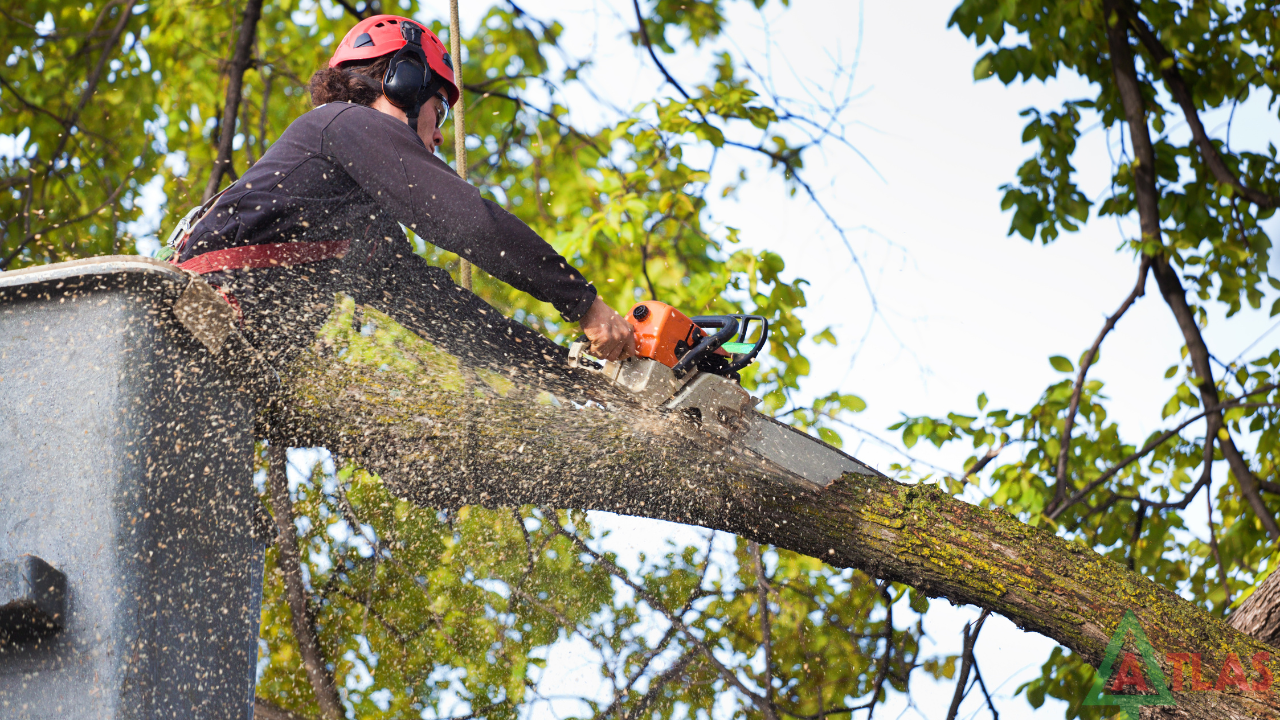
Pruning is an important practice in tree care that ensures optimal development and well-being, as it takes away unhealthy branches and enhances air flow within the canopy. Employing proper techniques ensures the trees can grow well in their setting.
An essential practice is "thinning," which requires careful branch removal to improve sunlight exposure and decrease stress on weaker parts. 'Tip pruning' is a different technique, where the ends of branches are snipped to promote bushier growth, especially in young trees. Additionally, the 'crown reduction' method decreases the size and reach of a tree and retaining its natural structure.
Timing is essential; cutting during the inactive period minimizes stress and optimizes healing. Equipment needs to be clean and honed to avoid damage and infection transfer. Understanding these important pruning techniques is vital for every arborist aiming to maintain healthy and beautiful trees.
Recognizing Typical Tree Ailments
What helps tree owners spot the symptoms of frequent ailments that endanger their trees? Familiarity with key indicators is vital for quick spotting and action. Typical signs involve discolored or wilting leaves, suggesting potential fungal issues or a lack of necessary nutrients. Unusual growths, for example, galls and cankers, often point to pests or pathogens that compromise tree health. Furthermore, bark shedding or sticky sap might suggest an infection that demand quick action.
Tree owners should also observe modifications to the tree's appearance, such as branches dying or leaves falling, which could signify a more severe underlying issue. Monitoring for signs of insect infestations, for instance, sawdust or bark holes, is just as critical. Through vigilance and promptness, tree owners can identify these common diseases and seek appropriate remedies, to keep their trees healthy and vigorous across the different seasons.
How Mulching Helps Trees
Applying mulch is a vital method in tree care, giving various benefits that promote healthy growth and durability. It means spreading a layer of specific material types at the tree's base, aiding in moisture retention, preventing weed growth, and stabilizing soil warmth. This protective barrier does more than minimize competition from invasive plants but also improves the look of the landscape.
Furthermore, natural mulching materials, such as wood chips or bark, decompose over time, adding vital nutrients to the soil and improving its structure. This continuous action aids in root growth and creates a more robust setting for the tree. In addition, mulch application minimizes soil erosion, which helps maintain the stability of the tree’s foundation. Appropriately spread mulch should be spread in a ring shape, making sure it doesn't touch with the trunk to avoid rotting. Overall, incorporating mulching into tree care routines considerably contributes to the sustained well-being of trees.
Proper Watering Practices for Trees
Quality tree upkeep needs not only mulching but also proper watering practices to guarantee ideal growth and health. Tree specimens, specifically new plantings, need consistent moisture to develop robust root structures. Deep hydration is crucial, as it helps roots push deeper where moisture is steadier. Ideally, trees need roughly one inch of water per week, whether through rainfall or supplemental irrigation.
It is best to water during the early morning hours to minimize water loss and the risk of fungus. One must be careful not to overwatering, which may result in root rot and related complications. The soil access resource should be checked for moisture before watering; if the top two inches are dry, it’s time to water. Furthermore, using a soaker hose or drip irrigation delivers a gradual, continuous stream of water, ensuring that trees receive adequate hydration without the risk of runoff. Correct watering methods significantly aid to the overall health of trees.
Engaging Expert Arborists: The Timing and Rationale
When assessing the condition and aesthetics of a property, hiring professional tree services can be crucial for homeowners facing complex tree care needs. Expert tree specialists have the expertise to determine tree vitality, identify diseases, and execute beneficial procedures. Arborists are also aware of local regulations concerning tree removal and maintenance, ensuring adherence and preventing costly penalties
(Stillwater Tree Service)Homeowners should consider hiring professionals when dealing with mature trees, specifically trees near homes or power lines, as improper handling can pose safety risks. In addition, trees requiring pruning for appearance or vitality gain from the abilities of trained specialists who can execute precise cuts to encourage development
Seasonal tasks, such as preparing for storms and clearing debris, also warrant professional intervention to ensure site security and appearance. Finally, using expert tree care providers guarantees that trees receive ideal care, which benefits greatly the entire outdoor space and real estate worth
FAQs
How Do I Know if My Tree Is Drowning?
Symptoms of excessive watering are foliage turning yellow, wilting despite moist soil, rotting root systems, and premature shedding of leaves. Additionally, the appearance of mushrooms around the base can signal poor drainage and saturated soil.
What Is the Best Time of Year for Tree Pruning?
The ideal season for trimming is generally in the cold months before spring before new growth begins - Stillwater Tree Service. This timing promotes robust regeneration and reduces the tree's strain, enabling rapid wound closure and development
Can Trees Recover From Severe Storm Damage?
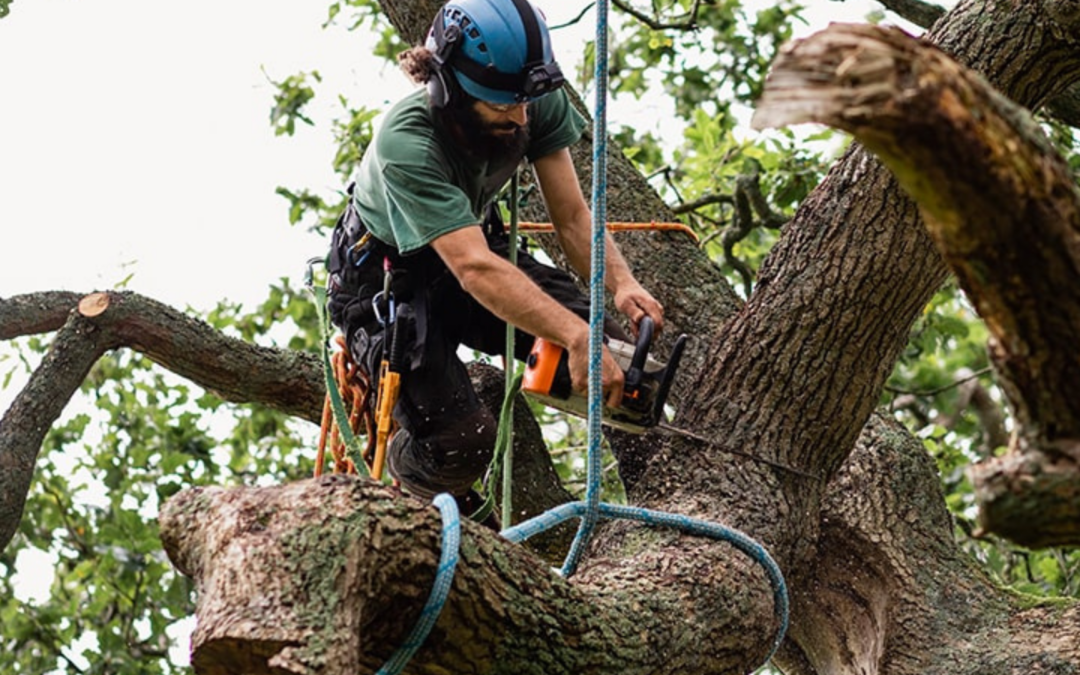
Absolutely, trees are capable of recovering from major storm damage. Given the right attention, such as pruning damaged limbs and providing adequate water and nutrients, many trees can regain their health and flourish once more after experiencing significant stress.
What Should I Look For When Choosing the Right Mulch for My Trees?
When selecting appropriate mulch, it is best to use organic options for example, bark nuggets or wood shavings, apply it to a depth of 2-4 inches, and keep mulch away from the tree collar to minimize fungal issues.
Do Certain Tree Species Need More Attention Than Others?
Certain trees, like young trees and fruit-bearing plants, need extra maintenance due to their sensitivity to environmental changes and unique feeding requirements. Consistent observation and customized care routines are essential for their health and flourishing.